

Analyze · support
Technical and application support, laboratory engineering
For the instrument’s whole life cycle: support, maintenance, and a laboratory that works as a system.
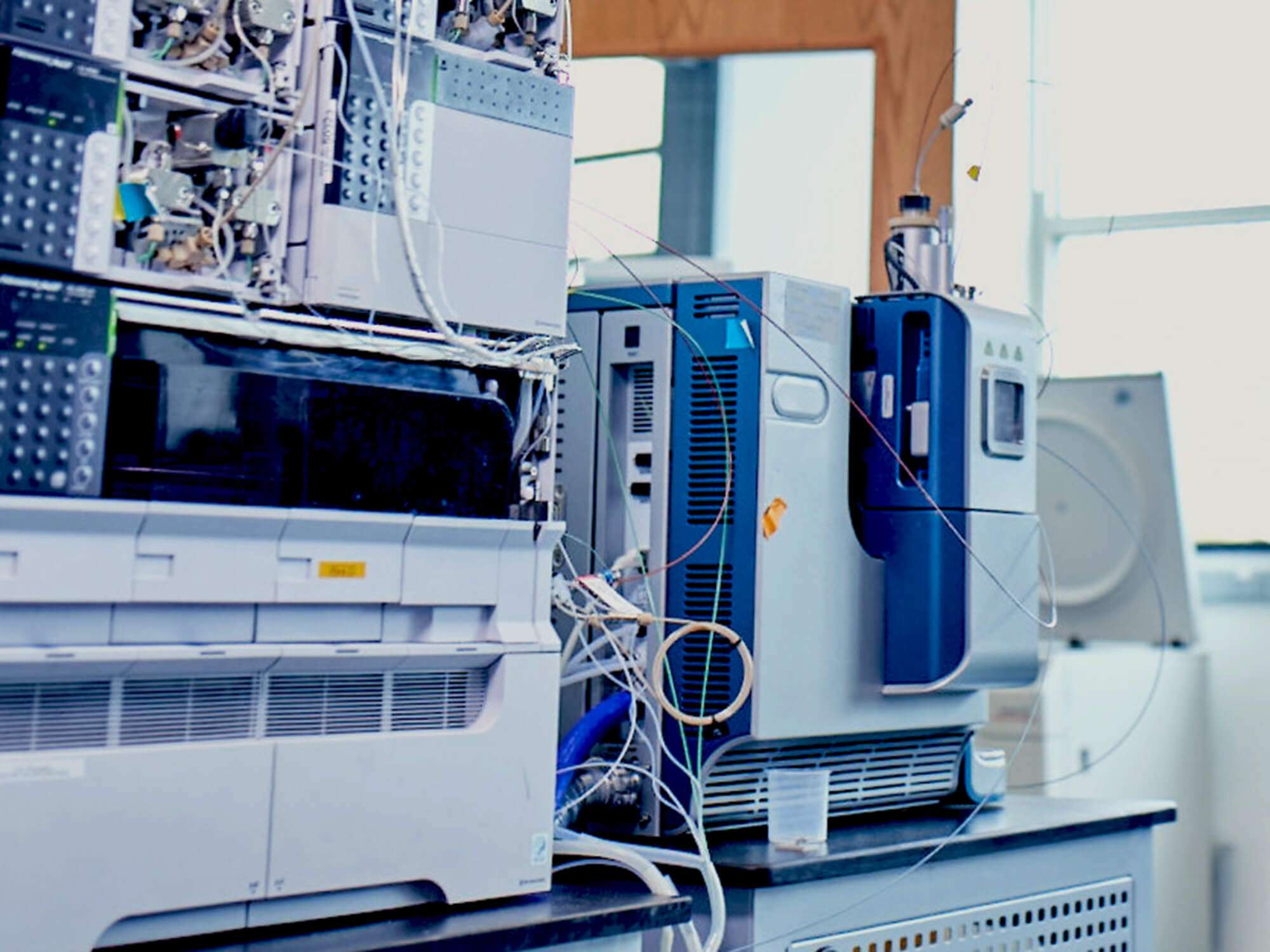
LC-MS system installed in the laboratory
The instrument is the beginning, not the end. Since 2011 DaSP has stayed alongside the laboratory for the instrument’s whole life cycle: from installation to maintenance, from troubleshooting analytical problems to designing the laboratory as a system.
- 340 mass spectrometers under scientific support
- A single point of contact for instrument, method and people
- SCIEX official channel partner since 2011, the first in Italy
What it includes
Technical and application support
When a result does not add up, the problem is rarely the instrument alone: it lies in the method, in the preparation, in the matrix. Support starts from the data and works back to the cause, with people who know both the instrument and the method.
Maintenance and continuity
Scheduled maintenance, ion source cleaning and performance checks: activities that keep the instrument in the conditions defined at qualification and reduce downtime.
Engineering and automation
The laboratory seen as a system: sample flows, instruments, data and people. Design of workstations, automated preparation systems and connections between instruments and LIMS, with less repetitive work and more traceability.
Knowing how much an instrument really works
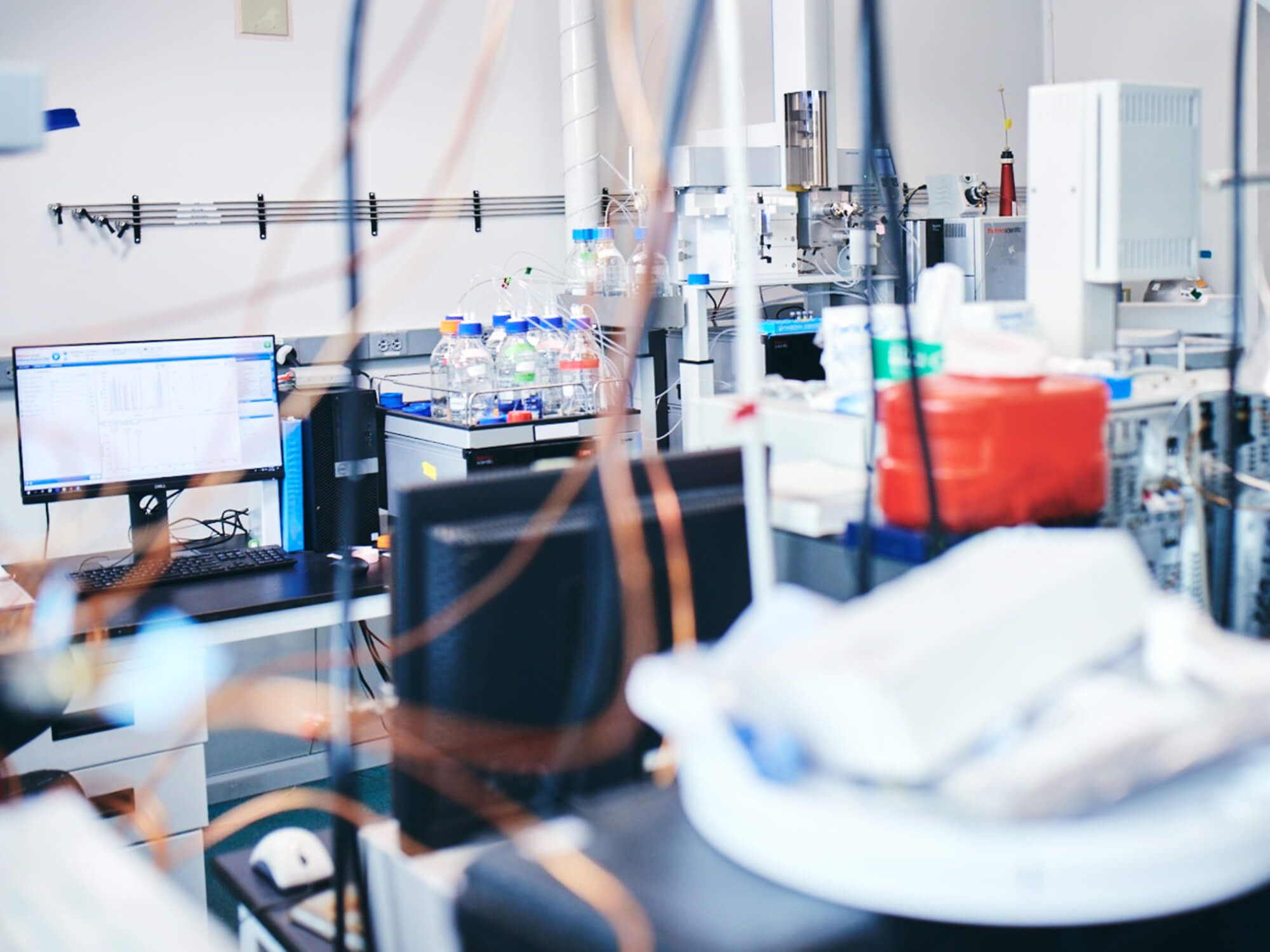
It is the first step to making it perform. The monitoring screens show the time in acquisition day by day and the downtime: from there you decide where to act — on the method, on maintenance or on how the work is organized.
Monitoring · utilization
How we work
Support is built on the laboratory’s instrument fleet: which systems, which methods, how many samples, where time is lost.
- An agreed plan, with scheduled activities and who carries them out.
- Whoever answers knows the instrument and the method running on it.
- The laboratory’s people trained on routine maintenance and checks.
The questions we get asked
The manufacturer already gives us service
Service on the instrument, yes. DaSP support is technical and application support: method, matrix, preparation, data. The two complement each other, and the laboratory has one point of contact who knows both.
Do you also train people on the instrument?
Yes. Those who use the instrument every day are trained on routine maintenance, checks and the most common troubleshooting. The DaSP Training catalog has a dedicated course.
Does engineering mean rebuilding the laboratory?
No. It means looking at how samples, instruments and data move today, and removing the steps that cost time or traceability. You start from one workstation or one flow, not from everything.
When instruments, samples and data need to talk to each other, engineering meets the LIMS and the AI agents: the Manage and Automate stages.
A support plan for your instrument fleet
Tell us which systems you have, which methods run on them and where you lose time: we build the plan together.